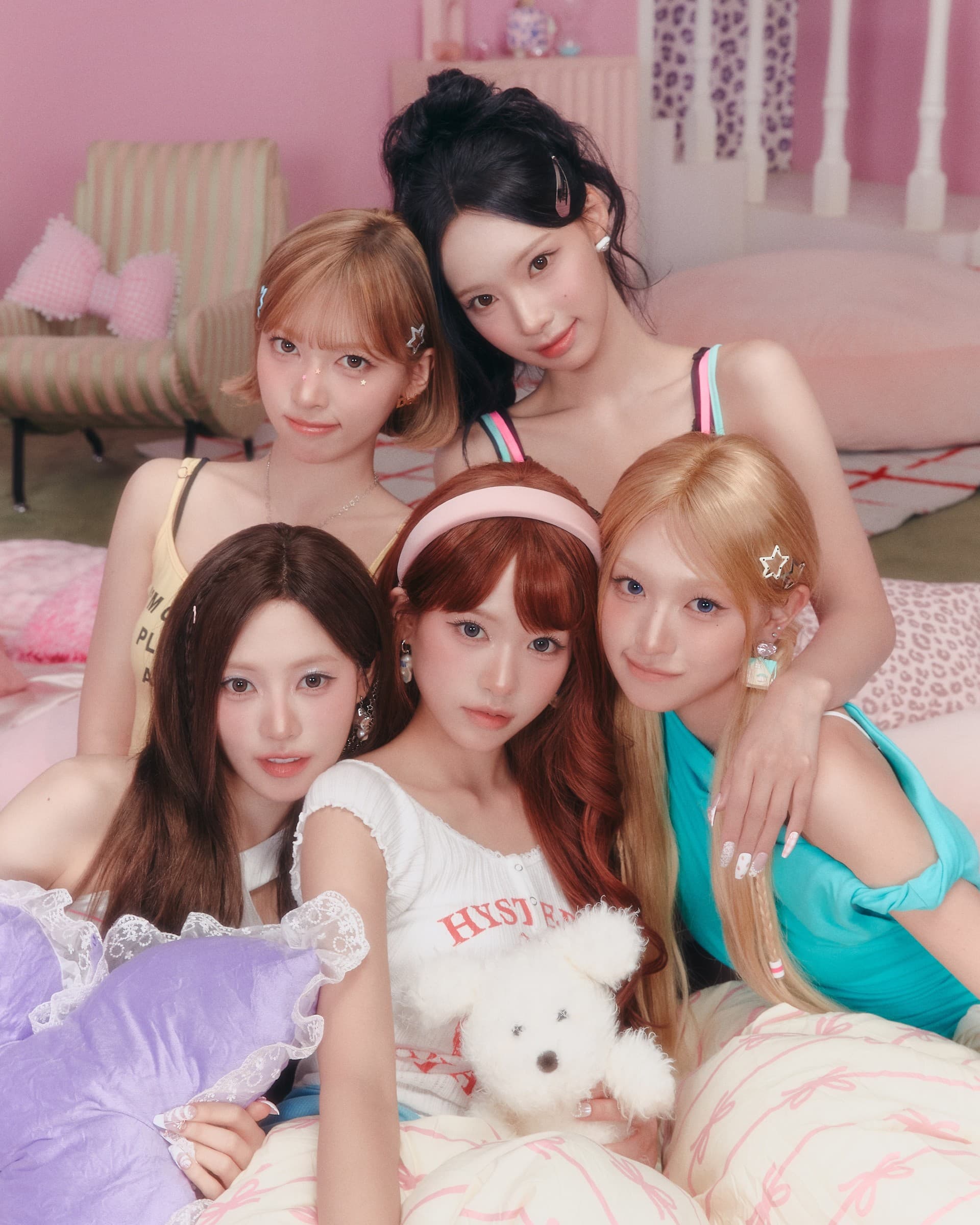

- Written by
- fanwork
- Published
- Read time
- 3 min read
The Eleventh of April Doesn't Belong to One Country
On Karina's birthday, and what fandom builds when it has somewhere to build it
Every April 11, something happens that no entertainment company scheduled.
A cafe in Hongdae fills with cup sleeves someone designed at 2 a.m. An LED screen in Shibuya lights up because a fan base in Japan pooled donations for it. A hashtag climbs the trending list in Manila, Jakarta, São Paulo, Mexico City. Somewhere, a donation is made in her name to a children's charity, and the receipt gets posted with no caption at all. None of it was on a release calendar. All of it arrived on time.
This is Karina's birthday, and it is one of the clearest windows into what modern fandom actually is.
The birthday is a deadline fans gave themselves
An idol's birthday is the one date in the K-pop calendar that belongs entirely to the fans. Comebacks are announced. Tours are scheduled. Content drops when a company decides it drops. But April 11 arrives on its own, and what fills it is whatever fans decided to make in the weeks before.
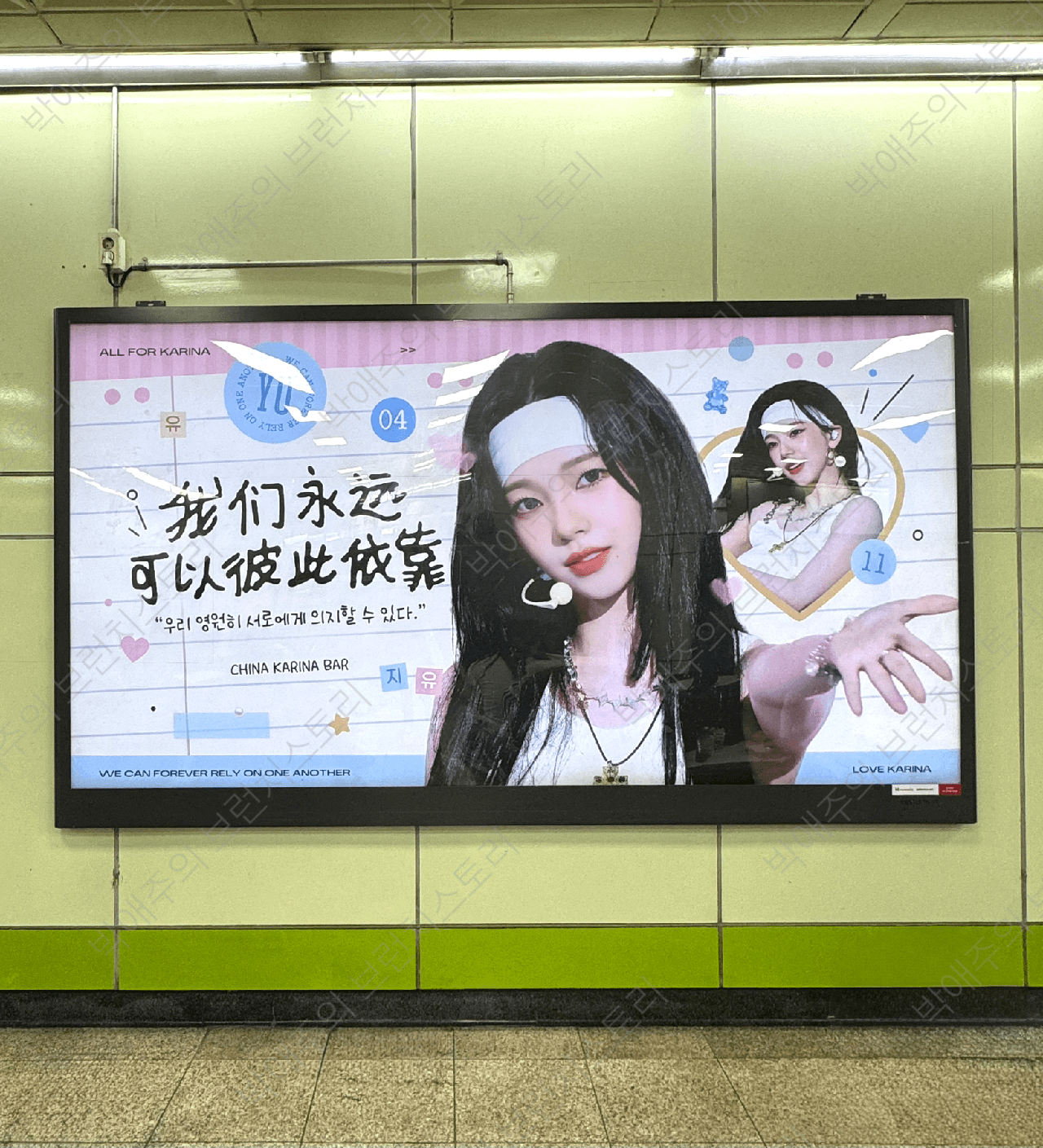
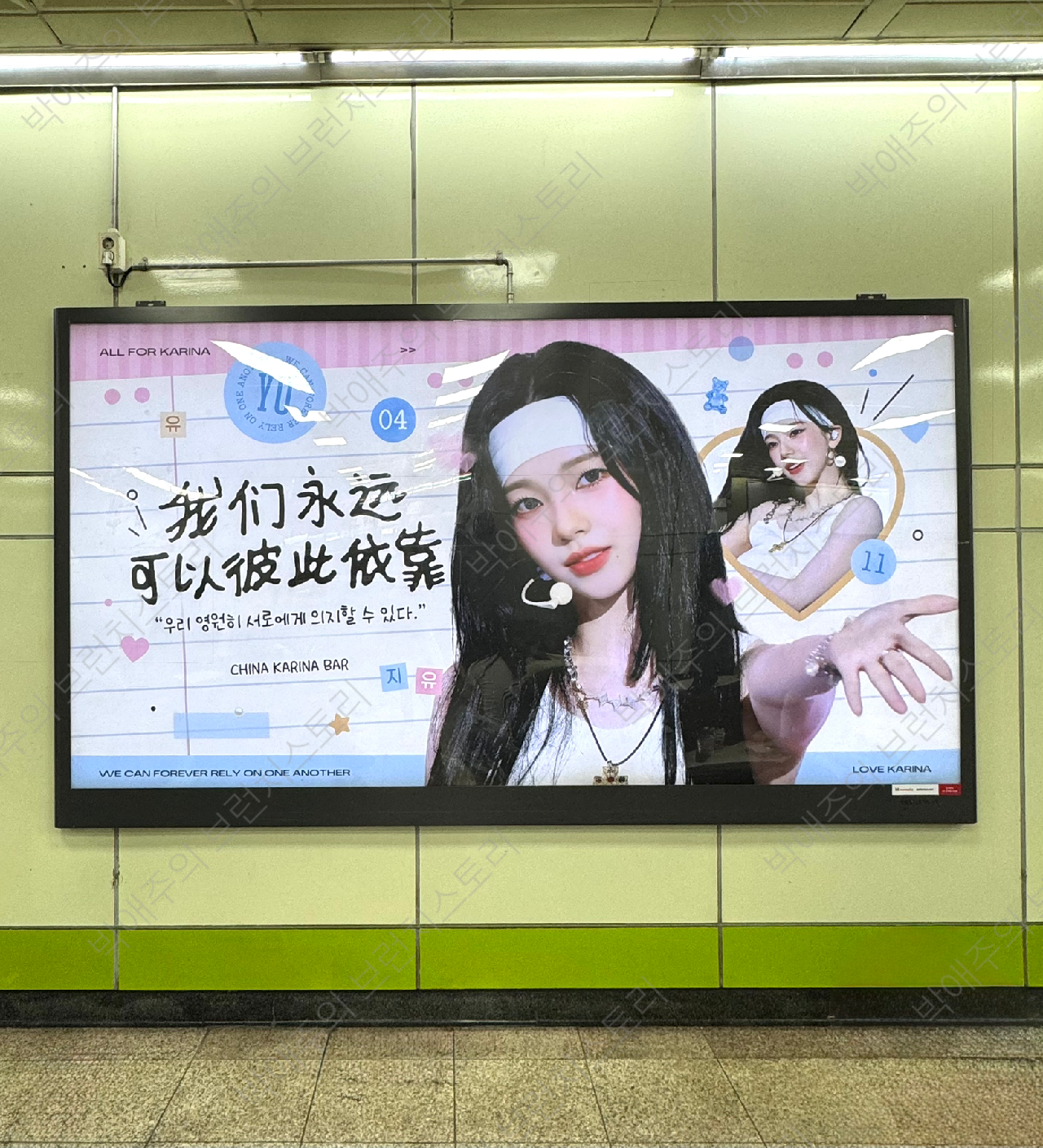
That "whatever" has become remarkably sophisticated. Birthday cafes with original artwork and printed goods. Subway station ads negotiated, funded, and installed by volunteers. Pop-up spaces that draw crowds — and, more than once, comparisons that favor the fan-made version over the official one. Fan-organized donation drives. Illustration projects, video edits, fan fiction, fan art, translation threads so that a fan who reads only Portuguese gets the same message as a fan who reads Korean.
These are not small gestures. They are productions. They require budgets, timelines, designers, printers, venue contracts, and someone willing to answer forty messages a day for a month. The people doing this work are not staff. They are fans who taught themselves project management because they wanted a cafe to exist for three days in April.
The gap that keeps showing up
Here is what the eleventh of April also exposes, year after year.
The fan in Seoul can walk into the cafe. The fan in Lima cannot. She can retweet the photos, save the cup sleeve design as a phone wallpaper, and watch the vlogs of people who got to be there. Her contribution — the artwork she drew, the video she cut, the money she would gladly have chipped in — often has no route into the physical celebration at all.
The distance isn't emotional. It's logistical. Currency, shipping, language, time zones, and the simple fact that most fan projects are coordinated through group chats that you have to already be inside to find. Global fandom is genuinely global in feeling and stubbornly local in execution.
That gap is not a complaint about anyone. It's just an unsolved problem, and it repeats every birthday, for every artist, in every fandom.
What fans have been proving all along
The most interesting thing about a birthday project is that it looks exactly like professional creative work, because it is. Someone art-directed that cup sleeve. Someone wrote that copy. Someone sourced that vendor and checked the print proofs. The only difference between this and an agency job is that nobody invoiced anyone, and nobody's name ended up on a credits page.
Fandom has been running a shadow creative industry for two decades. It ships on deadline. It self-funds. It has quality standards enforced by nothing but pride. And it produces work that entertainment companies increasingly borrow from, because fans are frequently the ones who understand the artist's image most precisely.
The question worth asking is not whether fans can do this work. April 11 answers that every year. The question is what happens when the fan in Lima and the fan in Seoul can work on the same project — when a birthday celebration is something you can join from anywhere, contribute a skill to, and see your name attached to when it's finished.
Happy birthday, Karina
She turned 26 this year, and the internet did what it always does: filled with drawings, edits, letters, and small acts of generosity from people who will likely never meet her.
That's the part worth keeping. Not the scale of any single project, but the fact that hundreds of thousands of people, scattered across every continent, independently decided that a particular Saturday in April was worth making something for.
The making is the point. It always was.
FanWork exists to give that work a home — connecting global fans who want to create with the projects, missions, and communities where their skills actually land.
Continue in the Fanwork app
Comments, likes and the author's other posts live in the app.